🌐 ES ▾
Limpieza de residuos biológicos en transporte público en Cincinnati, OH
Licensed Cincinnati public transit biohazard cleanup pros for repairs, installs and upgrades — upfront pricing, fast scheduling, one accountable team.
¿Qué servicios de limpieza de residuos biopeligrosos ofrecen en Cincinnati?+
¿Los profesionales de limpieza de biopeligros están licenciados y asegurados en Ohio?+
¿Qué tan rápido pueden responder en Cincinnati?+
¿Ofrecen presupuestos gratuitos?+
¿A quién llamo para una emergencia de limpieza de biopeligros en Cincinnati?+
¿Cómo puedo verificar que una empresa de limpieza de biopeligros en Cincinnati está licenciada y es legítima?+
Public Transit Biohazard Cleanup in Cincinnati
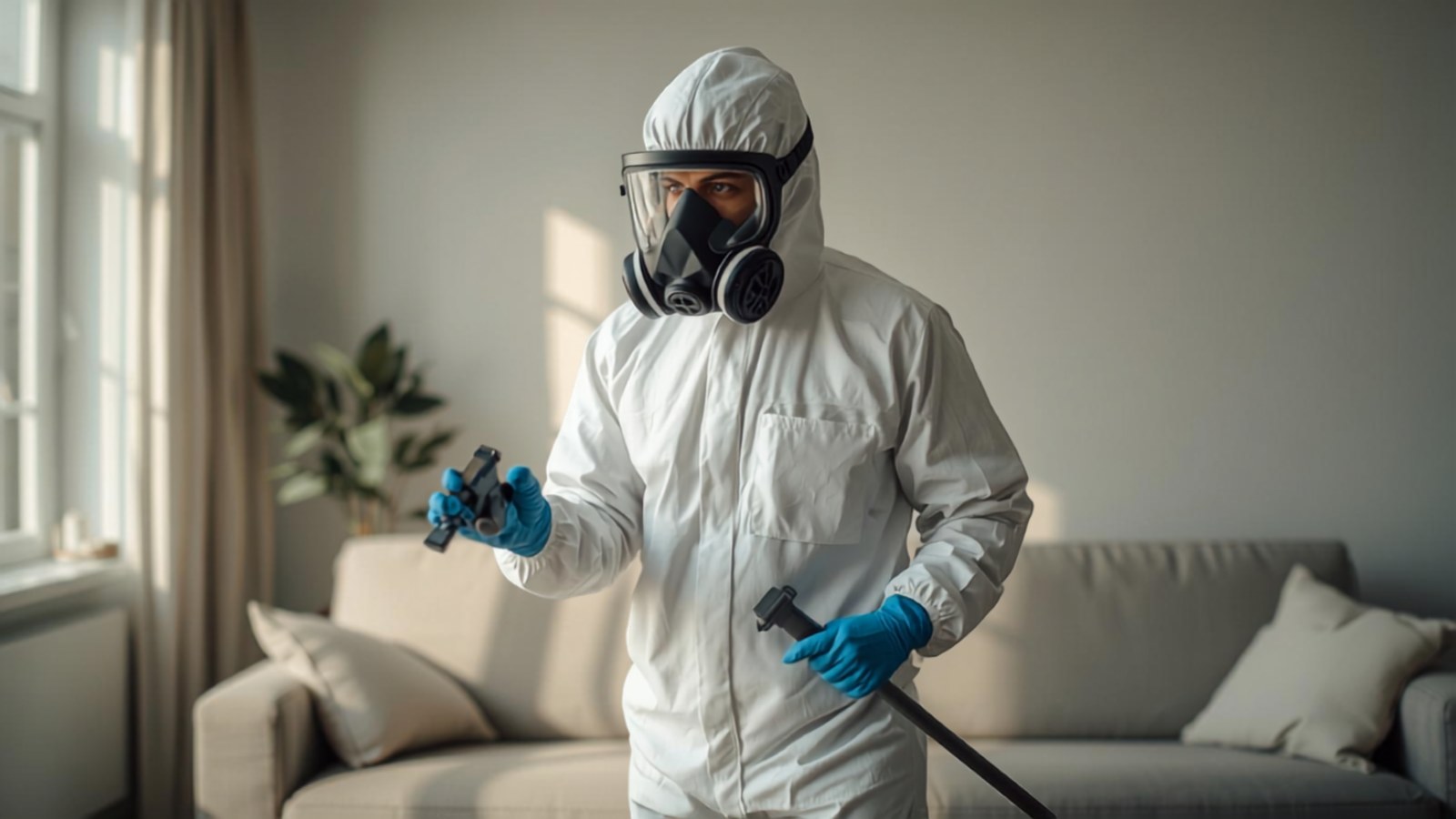
Public Transit Biohazard Cleanup in Cincinnati
Public transit systems in Cincinnati—including buses, streetcars, and ride-share vehicles—present unique biohazard cleanup challenges due to their confined spaces, high passenger turnover, and public accessibility. Biohazards in these environments can include blood, vomit, fecal matter, urine, and other bodily fluids resulting from medical emergencies, accidents, or intentional incidents. Unlike residential or commercial spaces, transit vehicles require rapid, discreet, and thorough decontamination to restore them to safe operating condition while minimizing service disruptions.
The cleanup process for public transit biohazards begins with immediate containment and assessment. Technicians trained in bloodborne pathogen protocols secure the affected area, often cordoning off the vehicle or specific seating zones to prevent cross-contamination. Using hospital-grade disinfectants and EPA-registered antimicrobial solutions, every contaminated surface is cleaned—from handrails and seats to floors and windows. Special attention is given to porous materials like upholstery, which may require removal and disposal if saturation occurs. After cleaning, ATP testing (adenosine triphosphate bioluminescence) verifies that all biological material has been eliminated. For Cincinnati’s transit hubs like the Cincinnati Metro bus depot or the Cincinnati Bell Connector streetcar maintenance facility, this process must comply with both OSHA standards and local health department regulations. The goal is not just removal of visible mess but complete eradication of pathogens that could pose health risks to drivers, passengers, and maintenance staff. Because transit vehicles operate on tight schedules, our team coordinates with transit authorities to perform cleanup during off-peak hours or at designated layover points, ensuring minimal impact on public transportation services across the city.
Areas We Cover in Cincinnati
Our public transit biohazard cleanup services extend throughout the Cincinnati metropolitan area, including neighborhoods where transit corridors converge. We serve Avondale, where the University of Cincinnati shuttle routes intersect with Metro lines; Bethlehem, near the Ohio River transit stops; the Betts-Longworth Historic District, close to the Cincinnati Bell Connector streetcar route; Bond Hill, a major bus transfer point; Botany Hills, serving residential transit riders; and the Brewery District, where the streetcar stops at 12th Street Pilates, 16-Bit, 1883 Café & Bar, and 19something. Whether an incident occurs at a covered bus shelter, inside a Metro vehicle, or at a streetcar station near these landmarks, our team responds to the specific location to contain and clean the biohazard.
What to Expect
When you contact us for public transit biohazard cleanup, here is what the process entails:
- A trained technician arrives at the transit vehicle or station with personal protective equipment (PPE) and biohazard cleanup supplies.
- The affected area is isolated and cordoned off to prevent public exposure.
- All visible biohazards are removed using absorbent materials and disinfectants.
- Surfaces are cleaned and disinfected according to OSHA bloodborne pathogen standards.
- Waste is placed in red biohazard bags and disposed of at a licensed medical waste facility.
- The vehicle or area is inspected and cleared for safe public use.
For transit authorities, property managers, or business owners near transit stops, we provide documentation of the cleanup for insurance or regulatory purposes.
If you are responsible for a public transit vehicle, station, or stop in Cincinnati that has been contaminated by a biohazard, contact Cincinnati Blood Clean Up to schedule professional decontamination. We serve Metro buses, streetcars, ride-share vehicles, and transit facilities across the city. Call us to discuss your situation and arrange prompt, discreet cleanup.